Multilevel analysis

The socioeconomic and commercial impacts of international migration in Türkiye

An evidence-based policy design approach

We examine how migration affects growth, foreign trade, employment, wages, firm performance, household welfare and social cohesion at country, province, sector, firm and household level, and turn the findings into actionable policy recommendations for decision-makers.

12 monthsAn integrated 8+4 research process

3 levelsMacro, meso and micro analysis

2010–2024Province-level migration policy indicators

7 impact areasFrom growth to social cohesion

About the project

Scientific, measurable evidence for migration policy

Our Mission

Our mission is to highlight the economic, commercial, and social impacts of international migration in Türkiye through scientific data and multi-level analyses; and to objectively examine how these impacts vary across the country, in different regions, sectors, firms, and households. Within the scope of the project, the effects of migration on growth, foreign trade, employment, wages, firm performance, household well-being, and social integration will be evaluated collectively to determine in which areas positive or negative outcomes have emerged and to what extent these outcomes have materialized. The aim is to translate the findings into concrete and actionable policy recommendations for public institutions and decision-makers, thereby supporting data-driven, consistent, and effective decision-making processes in migration management.

Our Vision

Our vision is to establish a governance framework in Türkiye where the economic and social consequences of international migration are assessed in a more transparent, measurable, and accurate manner, and where migration policies are shaped in accordance with the scientific findings derived from these assessments. We envision a comprehensive assessment of the impacts of migration on different regions, sectors, and social groups; the identification of both positive and negative outcomes based on scientific data; and decision-making processes supported by these findings. This approach is expected to lay a lasting foundation for the development of more informed, sustainable, and evidence-based migration policies in Türkiye.

Method

Three levels, one framework

Work at the macro, meso and micro levels proceeds in mutually reinforcing stages; the data and findings of each level feed into the others within a single analytical framework.

Macro

Country and province

Migration Policy Exposure Index (GPME)

Foreign population, work permit and policy/integration indicators for 2010–2024 are combined at province level in a common measurement framework; macro analyses draw on spatial weight matrices.

Meso

Region and sector

Province–sector panel models, spatial TW-DID

Panel models and spatial difference-in-differences analyses show how the effects of migration differ across regions and sectors.

Micro

Neighbourhood, firm and household

Fieldwork, surveys and interviews

The GPME is adapted to the neighbourhood, firm and household levels; field data support micro-level causal analyses.

  • Impact areas
  • Growth
  • Foreign trade
  • Employment
  • Wages
  • Firm performance
  • Household welfare
  • Social cohesion

Timeline

From data to policy in 12 months

The project is designed as an integrated 8+4 research process spanning the development of data infrastructure, fieldwork, econometric analysis and policy recommendations. Work at the macro, meso and micro levels proceeds in mutually reinforcing stages.

Phase 1

Project Launch and Data Infrastructure

Building the project’s technical and research infrastructure, organising data sources, preparing the data dictionary and setting up the data system to be used in the analyses.

Months 1–3

Phase 2

Developing the Migration Policy Exposure Index

Cleaning and standardising indicators for 2010–2024 and building the province-level Migration Policy Exposure Index (GPME). The index is designed to combine foreign population, work permit and policy/integration indicators within a common measurement framework.

Months 1–4

Phase 3

Modelling, Research Design and Fieldwork

Constructing spatial weight matrices and conducting preliminary macro analyses, adapting the GPME to the neighbourhood, firm and household levels, preparing survey and interview instruments, and carrying out fieldwork following a pilot.

Months 3–8

Phase 4

Data Analysis and Integration of Findings

Micro-level causal analysis of field data; province–sector panel models and spatial TW-DID analyses; comparative assessment of the results from the macro, meso and micro levels. The project’s research design rests on integrating these three layers through the transfer of data and findings.

Months 8–12

Phase 5

Visualisation, Policy Recommendations and Dissemination

Visualising the research findings, preparing an interactive dashboard and holding regional policy workshops; translating the scientific findings into actionable policy recommendations for decision-makers. The ultimate goal is an evidence-based roadmap that strengthens economic efficiency and social cohesion together.

Months 8–12

8 + 4 month split

Stakeholders

Who are our findings for?

Findings will be prepared and shared according to the needs of the different stakeholders involved in migration governance.

  1. 01

    Decision-makers and public policymakers

    Public institutions shaping policy on migration, trade, labour, industry and finance.

  2. 02

    Local governments and regional actors

    Metropolitan, provincial and district municipalities and development agencies.

  3. 03

    Business and the private sector

    Exporters’ associations, chambers of commerce and industry, organised industrial zones and SMEs with domestic or migrant capital.

  4. 04

    Civil society

    Local and international NGOs, employers’ and business associations.

  5. 05

    Academia and international organisations

    Universities, migration research centres and international organisations.

Our team

An interdisciplinary team from economics, sociology, international relations, history and law

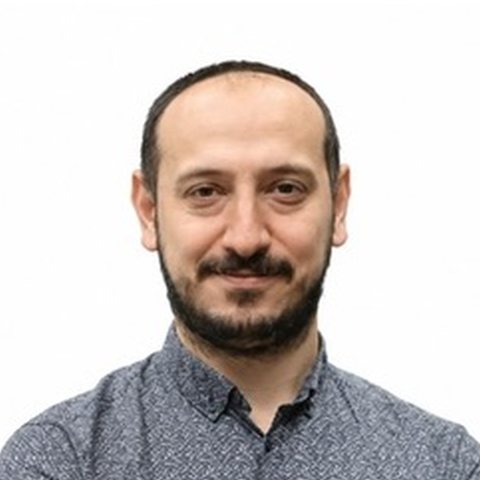
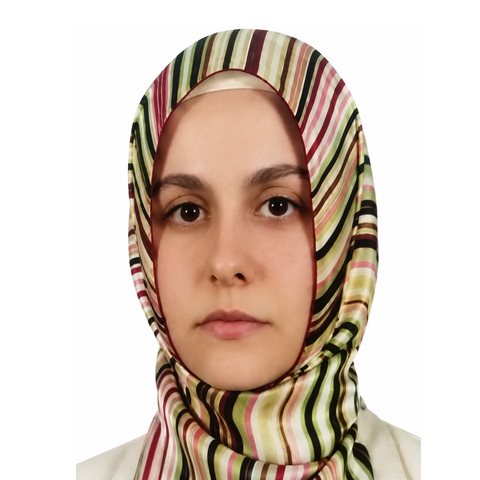
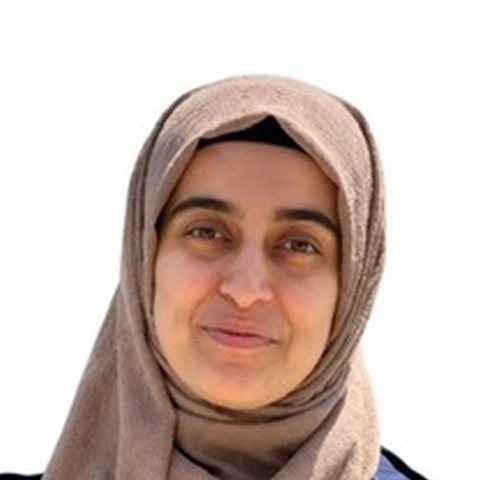
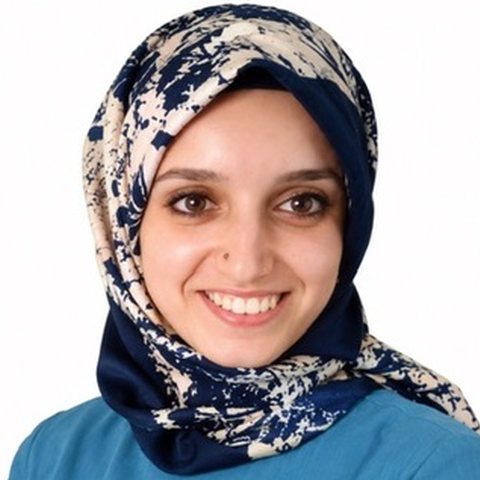
The project is carried out by an interdisciplinary team of a principal investigator, an advisor, researchers and research assistants.

Meet the team
  • Fatih Kırşanlı
  • Mehmet Köse
  • Atakan Durmaz
  • Fatma Kılınç Hatipoğlu
  • Deena Saleh
  • Hacer Atabaş
  • Esma Karadağ
  • Şevval Nur Acuner
  • Hatice Kübra Ermiş